.webp)




.jpg)
.avif)
.avif)

%20(1).jpg)
.jpg)

.avif)


-min.webp)
-min.webp)
%20(1).jpg)


.webp)

-min.webp)

.webp)


Wondering what a hot tub and sauna would look like in your backyard?
Stop by our showroom and see for yourself how a hot tub like the Cooltub works.
Stop by the showroom

.webp)

.avif)
.webp)


.jpg)
.webp)

-min.jpg)
-min%20(1).webp)

-min.webp)



-min.avif)
.avif)


Our value sets have been carefully put together so that you have everything you need for the maintenance or use of your hot tub and sauna.

Surprise your loved ones with a gift card from Welvaere. Redeemable in the online store or at the showroom.

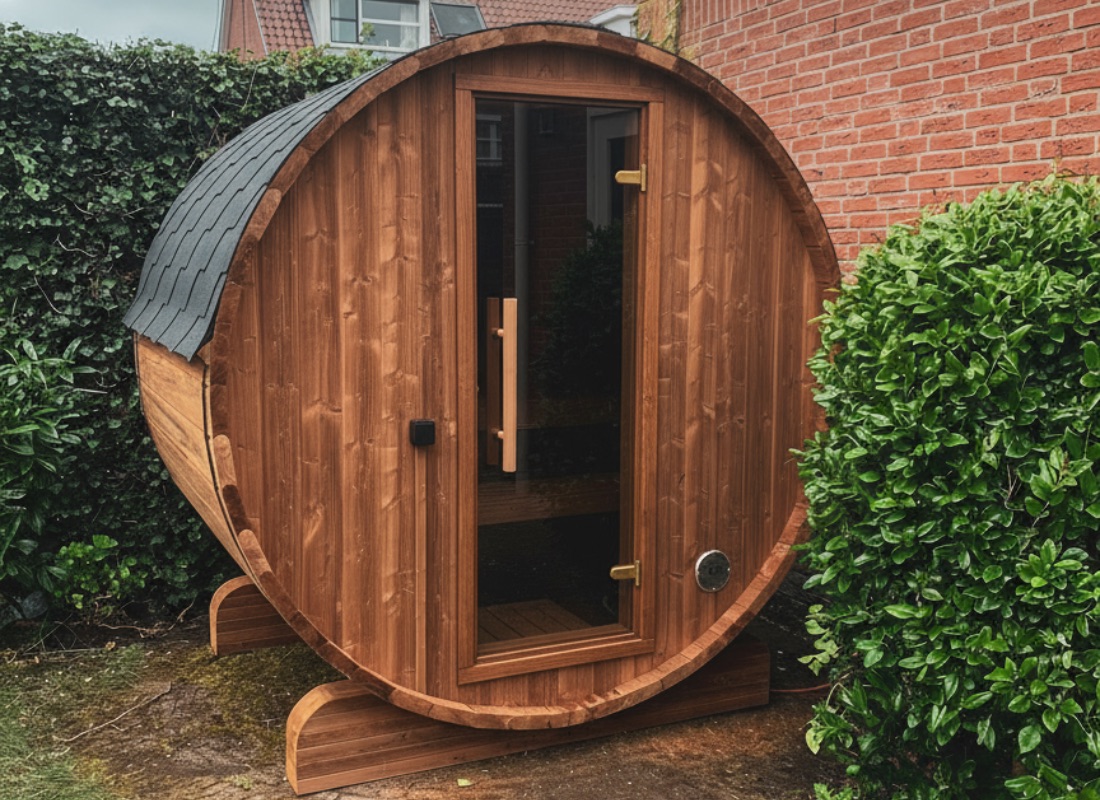
With our outdoor sauna accessories, you can enjoy professional-quality sauna sessions right in your own backyard. Plus, our maintenance products ensure that you can enjoy your sauna for as long as possible.

Surprise your family and friends with the delicious dishes you can whip up in no time using our outdoor cooking products and accessories—and enjoy wonderful evenings in the garden.

.webp)
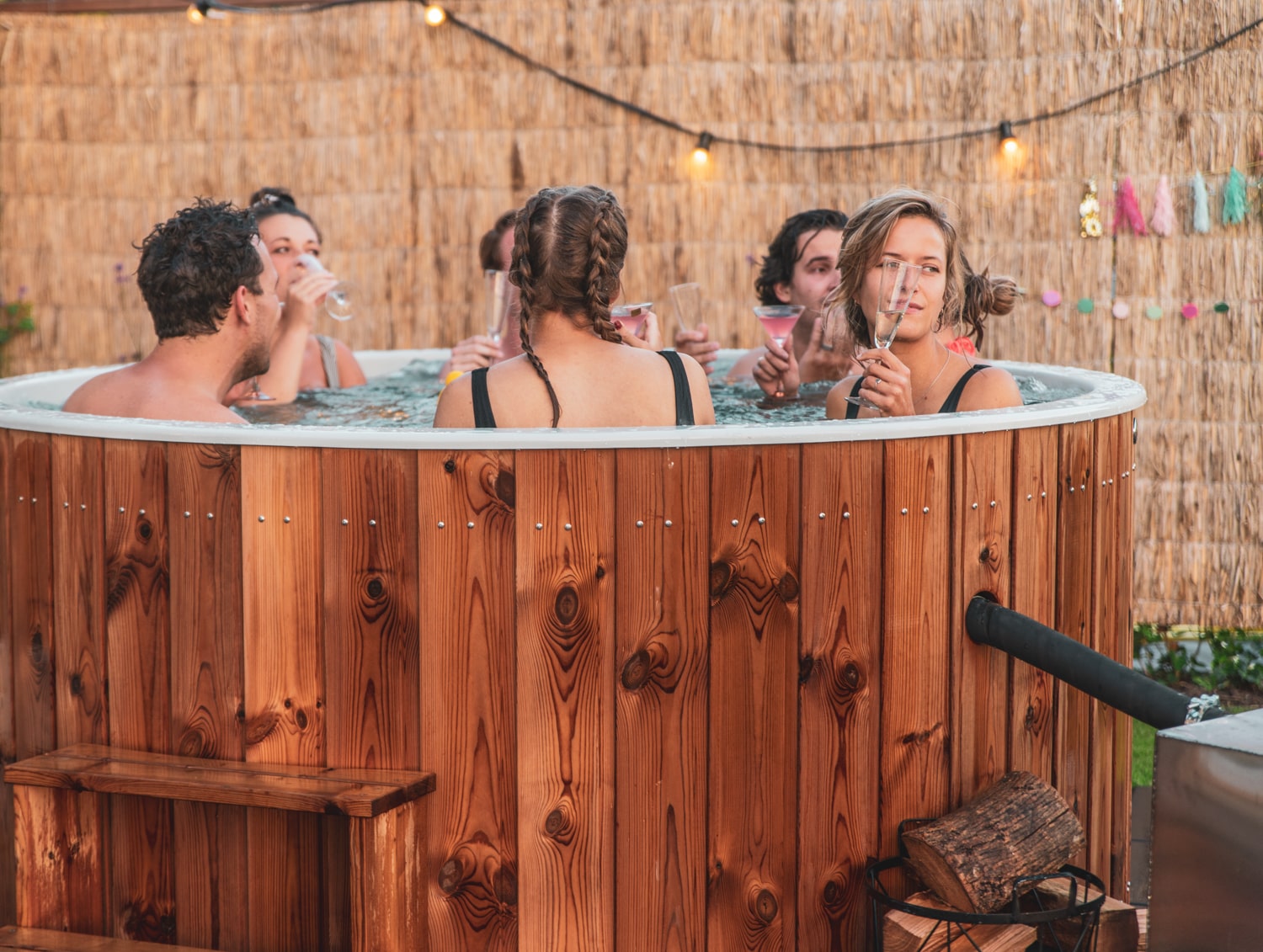
A hot tub in the summer might not seem like much fun, but turn off the heat and you’ll have a wonderfully cool bath right in your own backyard. In this blog, we’ll explain how to use your hot tub as a cool tub and how to set up a contrast session at home, step by step.


The hot tub is set up. The water is warm, the sun is blazing, and you're not getting in.
Makes sense. A 38-degree bath when the outside temperature is creeping toward 30 degrees isn’t exactly what you’re in the mood for. But what if you flip that hot tub on its head? Not as a source of heat, but as a refreshing cool bath. And what if the summer heat all around you provides exactly the contrast you need for one of the most effective recovery rituals out there?
In this blog, we explain what contrast therapy is, how to use your hot tub as a cool tub, and how to set up a complete contrast session at home, step by step.
Contrast therapy involves deliberately alternating between heat and cold. It sounds simple, and it is. You thoroughly warm up the body—in a sauna or a hot bath—and then quickly cool it down with cold water. That alternation is the key. The body reacts to that temperature difference in a way that rest alone cannot achieve.
It’s not a new invention. What is new, however, is its widespread popularity. There’s a clear reason for this popularity: athletes and sports enthusiasts have introduced the cold plunge as a recovery method to a broader audience. Interest in sleep, stress reduction, and mental clarity has grown. And people have started looking for rituals they can do at home—simple ones that actually work. Contrast therapy fits perfectly into this trend. It’s accessible, requires no expensive equipment, and the results are noticeable.
The benefits of contrast therapy are wide-ranging and well-documented. Without making exaggerated claims, here’s what you can expect:
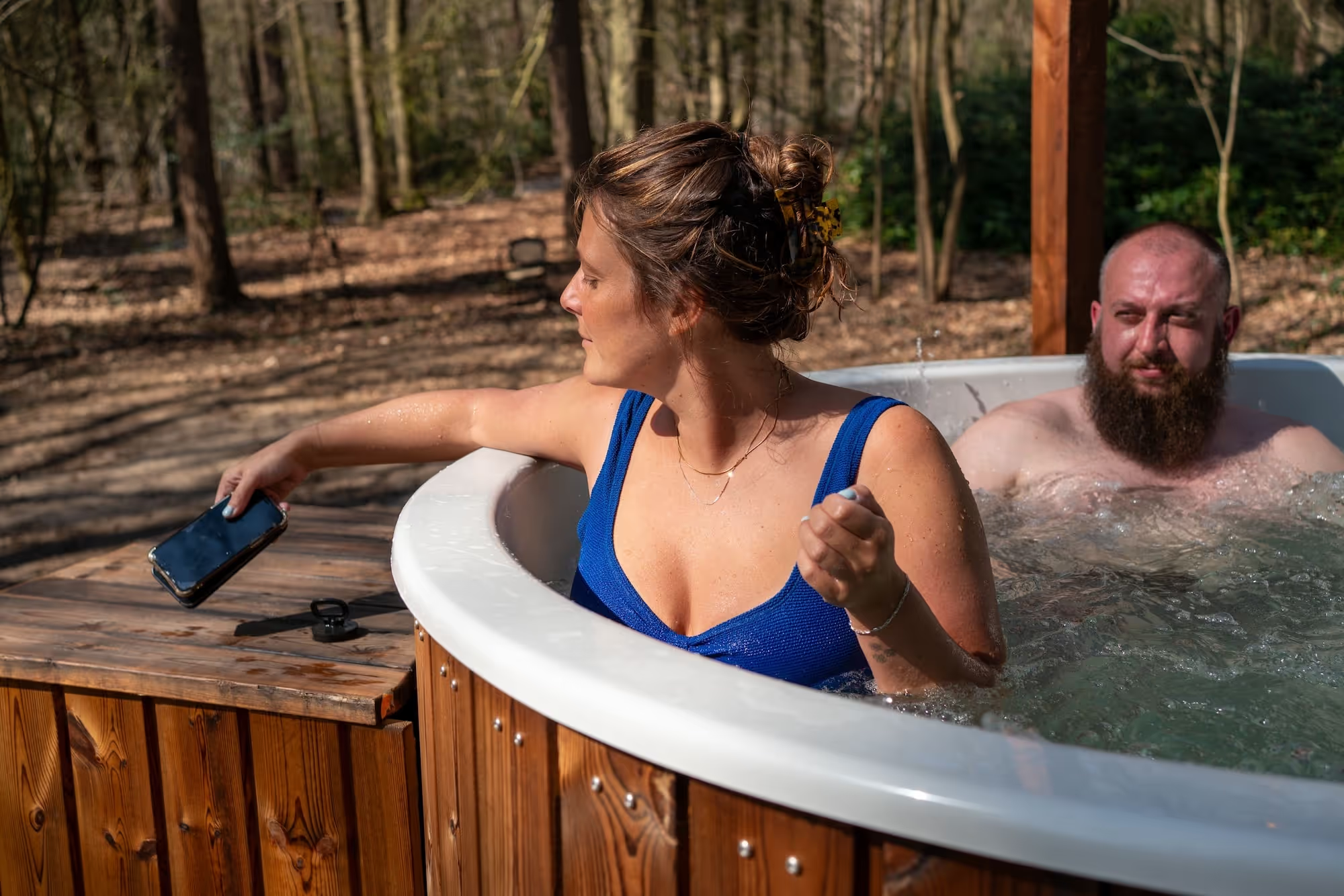
Yes, absolutely. A hot tub is basically a large water bath. In the summer, you don’t need to heat it at all. The water cools down naturally to the outside temperature, and if you turn off the heater, you’ll eventually have a great cold bath in your backyard. Add some ice cubes for extra effect, and you’ve got a serious cold plunge—without having to buy a separate unit.
In practical terms, here's how it works:
For beginners, 15 to 18 degrees is a good starting point. It’s noticeably cold, but not overwhelming. Combined with a warm day outside or a sauna, that temperature already feels like quite a thrill.
Advanced swimmers often go down to 10 to 12 degrees. Below 10 degrees, it gets more intense. Gradually lower the temperature as you get more used to it. There’s no reason to push yourself too hard.
Summer delivers that contrast right to your doorstep, free of charge. In winter, you use a sauna to warm up your body before facing the cold. In summer, the outdoor air does that job for you. You’re warm. Your skin has been warmed by the sun. You step into the cold water, and that’s the moment.
An outside temperature of 28 degrees combined with water at 15 degrees results in a temperature difference of more than 13 degrees. That’s more than enough to stimulate the body. Summer isn’t a drawback for contrast therapy. In fact, it’s the ideal season to start, because you don’t even have to arrange for the warm phase.
For those who don't have a sauna, this is an easy way to get started. You sit in the sun for a while, move around in the garden for a bit, and then step into the cold bath.
A sauna followed by a cold bath is the classic essence of the Scandinavian sauna experience. The heat phase prepares the body: core temperature rises, muscles relax, and your pores open. The cold phase that follows has a stimulating effect: pores close, blood flow shifts toward the core, and the nervous system is activated.
Together, they enhance each other’s effects. A sauna on its own is relaxing. A cold bath on its own is invigorating. The combination of the two, with a moment of rest in between, is what makes this ritual so special.
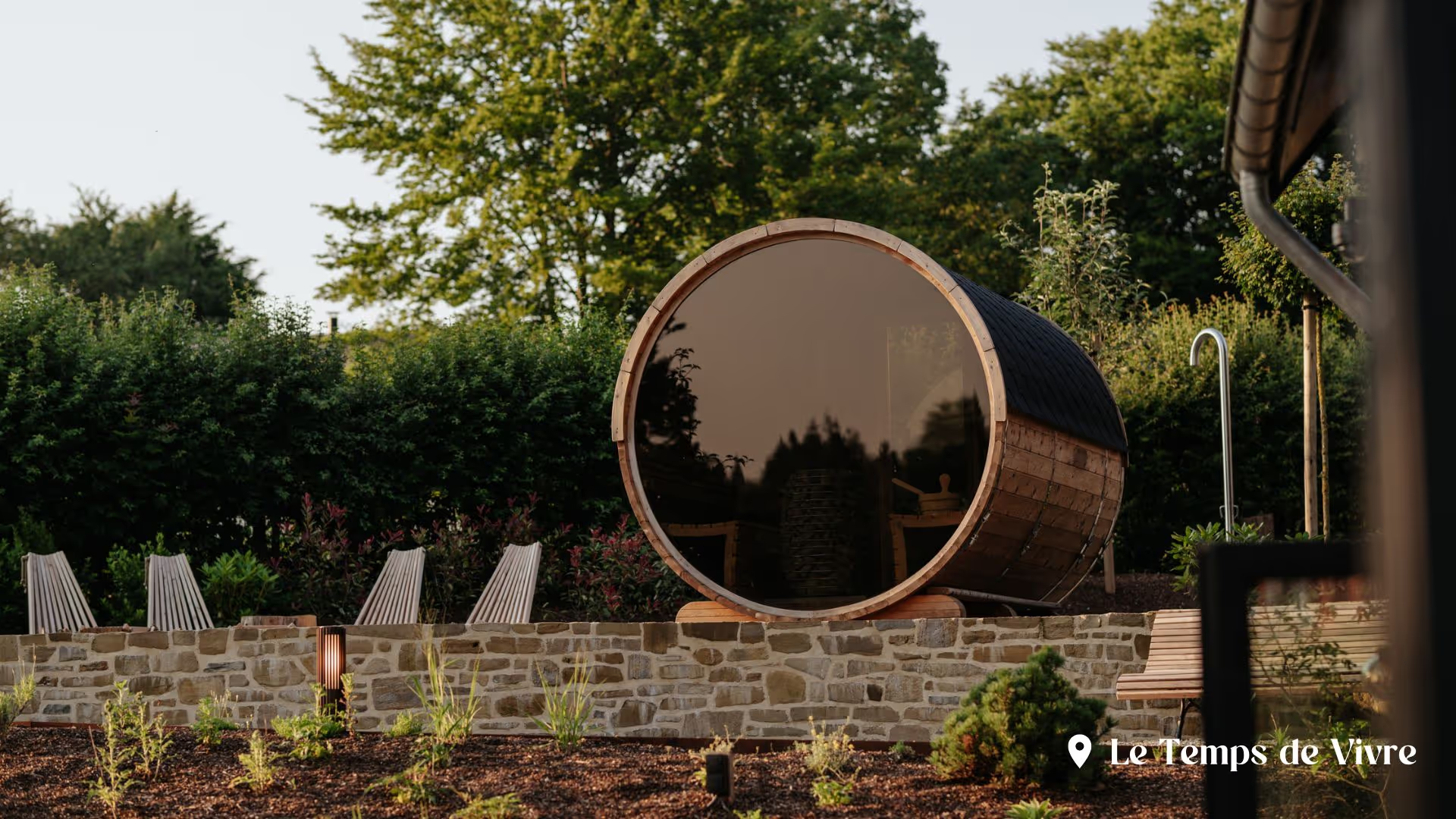
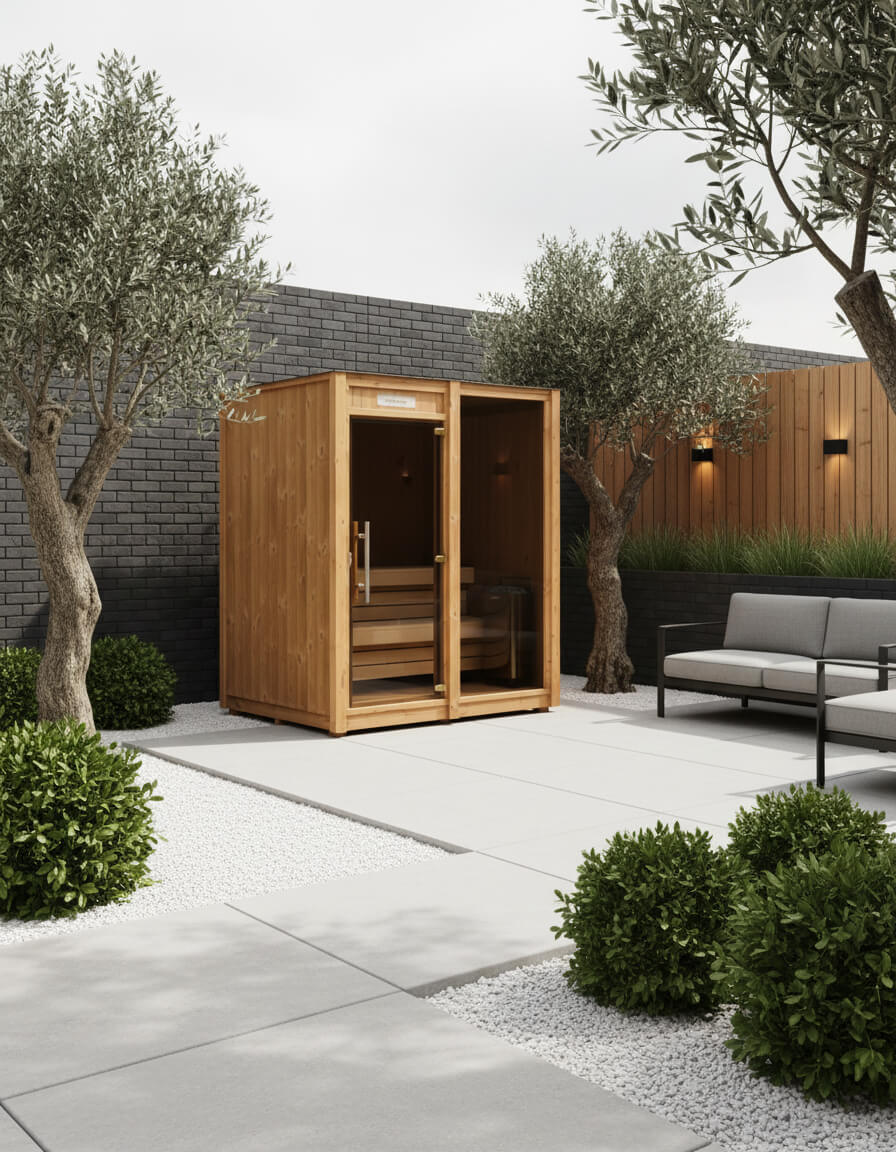
An outdoor sauna makes the session more intense and effective than simply being outdoors. Temperatures in a sauna range from 80 to 95 degrees, which is significantly higher than on a hot summer day. This creates a greater contrast with a cold hot tub and triggers a stronger physical response.
A spa or wellness center is nice, but it has one major drawback: you have to go there. That takes time, energy, and planning. And you’re surrounded by strangers (or so you hope). Your own backyard requires none of that.
You can squeeze in a session after a day at work. Early Saturday morning, while everyone else is still asleep, or after a workout, when your muscles benefit most from recovery. No travel time, no packing, and no waiting for an open spot.
A hot tub isn't a seasonal product. It's a year-round tool for relaxation and recovery, where the seasons determine how it's used, not whether it can be used. It looks different depending on the season:
Yes. Turn off the heat and let the water cool down to 10 to 18 degrees. In the summer, this happens naturally; in colder months, you can add bags of ice cubes to lower the temperature further. It’s an accessible way to do contrast therapy at home without any extra equipment.
A cold shower is a single stimulus: cold. Contrast therapy involves the deliberate alternation between hot and cold. It is this alternation that stimulates the body. A sauna followed by a cold bath has a much stronger effect than a cold shower alone, because the temperature difference is greater and the body reacts more strongly.
Two to three sessions a week is a good starting point. After a few weeks, you’ll notice a difference in your recovery, sleep, and alertness. Even one session a week is beneficial, but consistency is key to the results.
So there’s certainly no need to leave your hot tub unused this summer. As a cool tub, it’s the perfect cooling pool for a refreshing dip, and when combined with an outdoor sauna, you’ll have everything you need for high-quality contrast therapy.
Disclaimer: If you have a hot tub with a small capacity (l), the water may be heated by the outside temperature in extremely hot weather. This does not mean that anything is wrong with the hot tub. If you want to keep it cold, you can add ice cubes or simply pour in cold tap water.

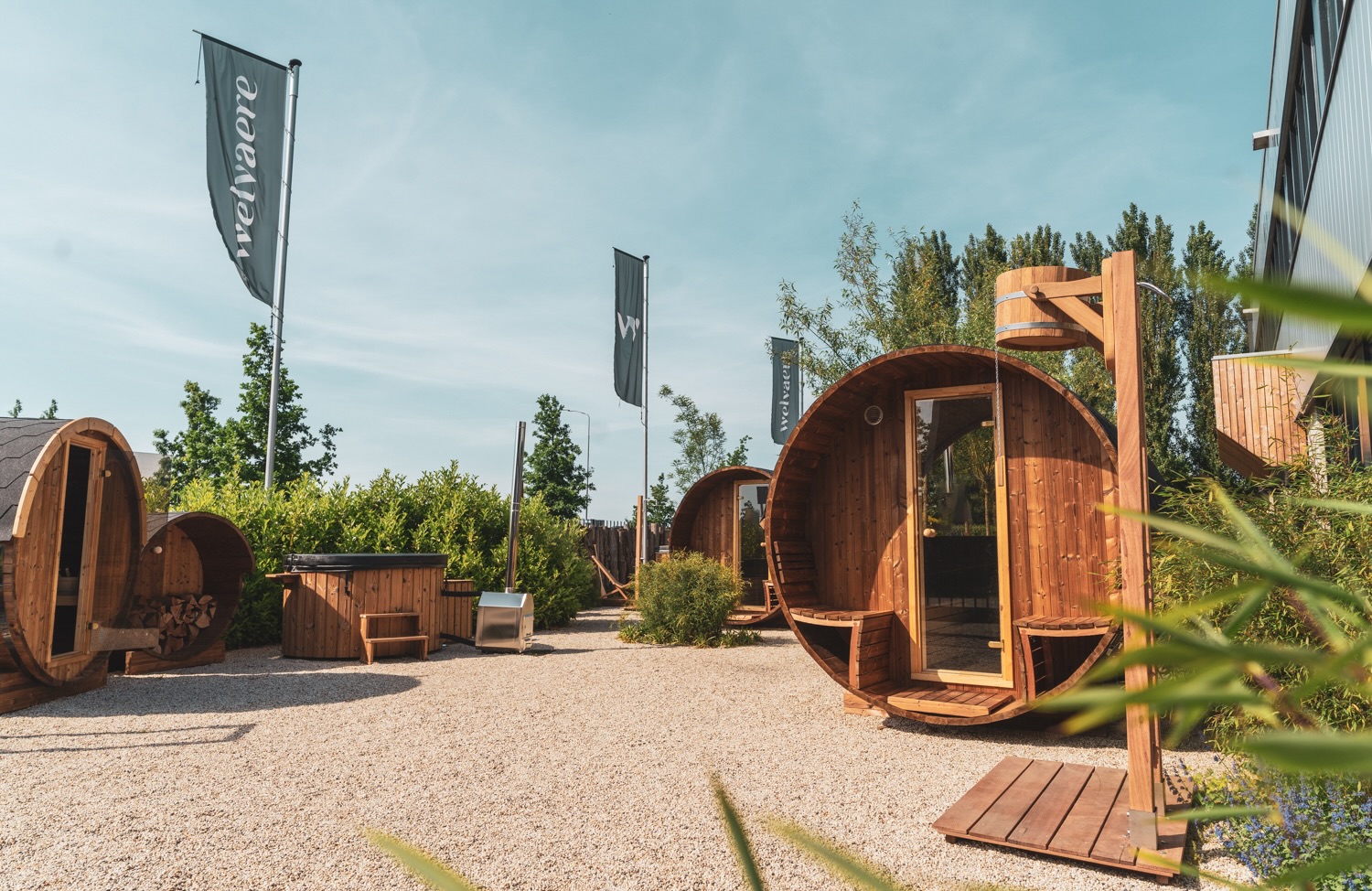
Stop by our showroom and see for yourself how a hot tub like the Cooltub works.
Stop by the showroom


Your questions will be answered by experts with years of experience. We know exactly what you need.

All our products are designed and largely made in Nijkerk in the Netherlands.

Mon - Fri: 9:00 - 17:00
Za: 9:30 - 16:00

Response within 24 hours

Address & Opening Hours
.svg)


.avif)